Monthly Archives: February 2026

Early Spring-Blooming Perennials

When winter is long and dreary, it can seem like your precious flowerbeds will never burst into life again. Early spring flowers, however, are precious proof that winter is on its way out, and some can even bloom in bright, cheerful colors right through lingering snow. Yet we often forget these beauties, overcome with the bold, familiar bulb displays of tulips, daffodils, hyacinths and more. This is unfortunate, because many of these perennials have a subtle charm that complements bulbs and shrubs which bloom in early spring, and they add even more variety, texture and color to your landscape.

Perennials for Early Spring Blooms

When choosing the best plants to be a stunning early spring display, the amount of sun or shade the location receives is the most critical factor for the plants’ success and the gorgeousness of their growth.

For a sunny location, opt for…

  • Sweet William (Dianthus barbatus)
  • English Daisy (Bellis perennis)
  • Mountain Pinks (Phlox subulata)
  • Rockcress (Aubrieta)
  • Candytuft (Iberis)
  • Wall Cress (Arabis)

For part to full summer shade locations…

  • Pasqueflower (Anemone pulsatilla)
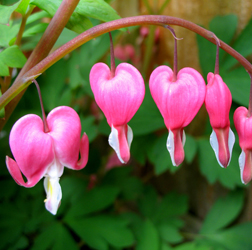
  • Bleeding Heart (Dicentra)
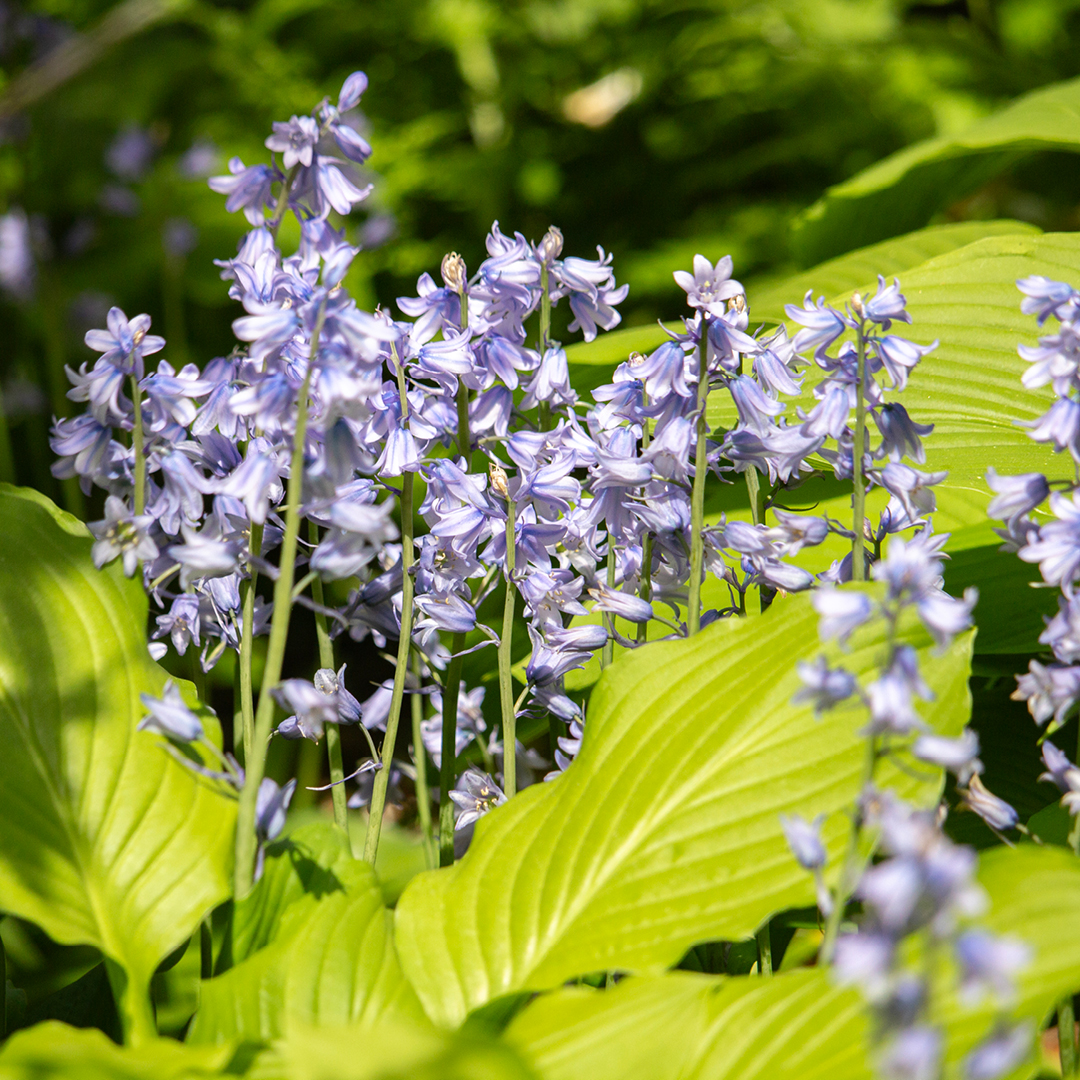
  • Virginia Bluebells (Mertensia)
  • Columbine (Aquilegia)
  • Dead Nettle (Lamium)
  • Forget-Me-Not (Myosotis)
  • Creeping Phlox (Phlox stolonifera)

Planting Perennials for Early Spring Blooms

When you choose which early spring bloomers to add to your landscape, consider the plants’ overall mature size, soil requirements and both watering and fertilizing needs to be sure they can reach their full potential. If you choose to plant them in fall, take extra care to protect tender roots and give the plants time to thoroughly establish themselves before the first hard freeze. Good compost and mulching around the new plants can help protect and nourish them through the first winter, and they’ll be ready to burst into colorful bloom in just a few months.

Many of these plants are good mid-level bloomers ideal for flowerbeds. They can fill in around other small accent trees and shrubs and provide a lush background for other blooms or mounding plants in front of the bed. They can fill in around trees for a more naturalized look, and can be great in borders. Just be sure to plant at least a few where you’ll have a good view of their beauty from indoors and you’ll be able to enjoy the beauty of their early blooms even if it’s a bit too cold to be outdoors in your garden!

Early Spring Bloomer

Attracting Birds to Your Garden

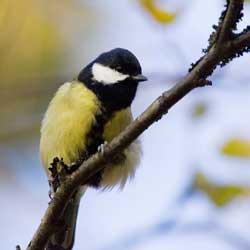
One of the benefits of a garden is the wildlife it attracts, and birds are some of the most popular garden wildlife. Most birds are voracious eaters that are glad to keep the insect population down, and may eat 500-1,000 insects in one afternoon. This makes them ideal for natural (and free!) pest control. Anything you can do to attract birds will make your garden healthier and you’ll be entertained by their feeding antics along the way.

Fortunately, it is easy to attract birds to your garden if you meet their needs for food, shelter, water and overall habitat variety.

Food

While birds will certainly eat insects and may munch on seeds, berries and fruits in the garden, consider placing a variety of bird feeders in your garden to entice even more birds to visit. Platform feeders attract ground birds, hanging feeders are for perching birds and suet holders attract insect-eating birds. Suet is especially important during the winter as this helps birds maintain their body temperature by adding fat to their diet. Hang plastic mesh bags of suet or pinecones dipped in suet (or peanut butter) from the limbs of trees.

For your other feathered guests, white millet and black oil sunflower seeds will attract the most common seed-eating birds and can be sprinkled directly on the ground or added to feeders. Add other species-specific seed like Nyjer (thistle) seed (to attract goldfinches, pine siskins and purple finches) or peanuts (to attract chickadees, jays and tufted titmice) to your buffet. Various gourmet seed mixes are also available like Lyric Supreme, Delight, Chickadee, Woodpecker and Finch Mixes, each of which is blended with specific birds in mind and includes the foods those birds like best.

Shelter and Nesting Sites

Birds feel more secure if they have shelter to protect themselves from the weather and other predators. Plant native trees and shrubs birds will easily recognize as suitable shelter. If your landscape is young and doesn’t include much shelter for birds, don’t worry. Consider building a brush pile or adding a loose woodpile to the yard and birds will happily take advantage of it.

You may also want to add nesting boxes or bird houses and other materials for birds to raise their young. This should be done in late winter or early spring just as birds are beginning to look for nesting sites. Clean houses or boxes after each nesting season.

Water

One of the most important things to include in your bird-friendly garden is water. This is especially true during the winter months. Use a bird bath heater to keep water from freezing. Ideal water sources are 2-3 inches deep and 3 feet off the ground to keep visiting birds safer from prowling predators. Moving water is a magnet for most birds and will attract them from great distances for a drink or bath. A mister, dripper or circulating pump can be added to a bird bath or other water feature during most of the year, but take care to winterize the equipment properly so it does not freeze and break during the coldest months.

Habitat Variety

Because birds live in many different habitats, the variety of plant material you can offer in your backyard will determine how many birds are attracted to your garden. Consider native plants, plants with berries, fruits, sap and nectar for year-round food sources as well as nesting materials. Plan your landscape in tiers and flowing, connected beds so birds can move around easily, and include a variety of both deciduous and evergreen plantings so birds can find the habitat useful year-round.

We carry a complete line of bird feeders, houses, seed mixes and suets as well as garden accents; all the accessories and plants you will need to start attracting birds to your backyard. Stop by today!

Tooling Around in the Garden: Selecting and Caring for Garden Tools

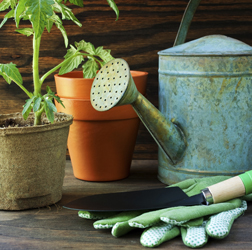
Let’s face it – purchasing a new garden tool is usually not the first thing on your mind when you visit your friendly neighborhood garden center. Most of us tend to gravitate toward the latest and greatest herbaceous eye-candy without considering whether we have all the equipment necessary to prepare and care for it. The right tools, however, are critical to keep all your plants in top condition, and selecting quality garden tools is no simple matter. You want one that meets your needs, is available when needed, is easy on you, is long lasting and is not too expensive or too hard to maintain.

Choosing a New Tool

With so many tools on the market, choosing one that meets your needs can be a daunting task. First consider what type of work you will be doing, and what tools are required to accomplish your goal. Choosing the right tool for the job will make the work easier and more efficient. If you’re not sure, ask – our employees will be happy to assist your selection.

When you find a tool you are interested in, before you buy it, try it! Basic tools in new designs are available to the consumer every year. Those that are ergonomically designed, to align with the natural mechanics of our bodies, are meant to lessen the stress on muscles and joints as we garden. So pick up the tool and see how it feels in your hands. Make sure the weight and size are well suited to your strength and frame. Does it feel comfortable as you simulate the way it will be used? If it feels awkward, you will not be able to use it properly and may be tempted to neglect your garden chores instead.

Caring for New Tools

When you find a tool that meets your needs and is comfortable, you will want to have it around for a long time. Plan to purchase the highest quality tools that your budget will allow. If you purchase tools simply because they are the least expensive, chances are they will not last, and you will eventually spend more money to replace them.

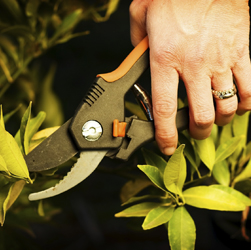
Proper care and storage will add to the longevity of your garden tools. Hose off tools to remove soil and chemicals after every use. Allow tools to dry thoroughly before storing. For hardened soil, use a wire brush. Occasionally cleaning metal surfaces with oil will help to keep tools lubricated and prevent rust. Keep all moving parts oiled as well to enhance performance. Oil wooden handles at least twice a year with linseed oil to help prevent drying and splintering. For ease of use, keep tools with cutting surfaces sharp by filing them as often as needed. Check frequently and tighten any loose screws and bolts. Store all garden tools in a dry place with tool surfaces off the ground.

Every garden tool you own is important to the health, beauty and productivity of your garden and landscape. Be sure you choose the best tools and maintain them well to make the most of all your gardening.


Feng Shui in the Garden

Feng Shui is the ancient Chinese philosophy that believes in attracting and guiding the flow of cosmic energy to influence your health, wealth and happiness. If you are already familiar with Feng Shui, you should know that it is assumed by many that the same fundamental principles that apply to your home also apply to your garden, maybe even more so since the energy in your home is brought in from the outside..

Feng Shui means ‘wind’ and ‘water.’ According to Chinese tradition, everything in the world contains ch’i, the cosmic life force. Ch’i means to flow freely like wind and water, but it is alleged that its movement can be blocked or trapped. This, it is believed, can cause disharmony or misfortune in your life. The movement of ch’i is thought to be influenced by several things such as colors, shapes and sound. The purpose of Feng Shui is to ensure that ch’i is flowing smoothly and gently without being allowed to stagnate or move too quickly. This harmony in your environment is understood to create harmony in your life.

Bringing Harmony to Your Garden

Feng Shui starts with basic gardening maintenance. Ch’i is believed to stagnate in areas where junk accumulates. Clean up your patio or deck and screen your garbage cans from view. Throw away any broken pots, planters or tools. Good cultural practices are also considered important in the flow of ch’i. Mow your lawn, pull up weeds, edge your beds and remove dead plants. Prune any broken or damaged limbs, stake plants and take steps to control insects and disease.

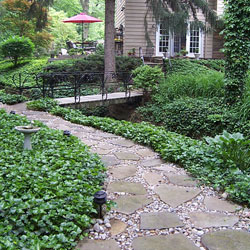
Ch’i requires smooth curves to flow. It is funneled by straight lines but impeded by sharp angles. It does not need to be costly or time consuming to remedy these types of structural problems. A straight walkway can be softened with the addition of curved beds on either side. You may also try planting perennials that mound or spill onto a walkway to break up straight lines. To help ch’i flow gently around corners, consider the addition of a tree, shrub or climbing vine. A curved bench or fountain is another option.

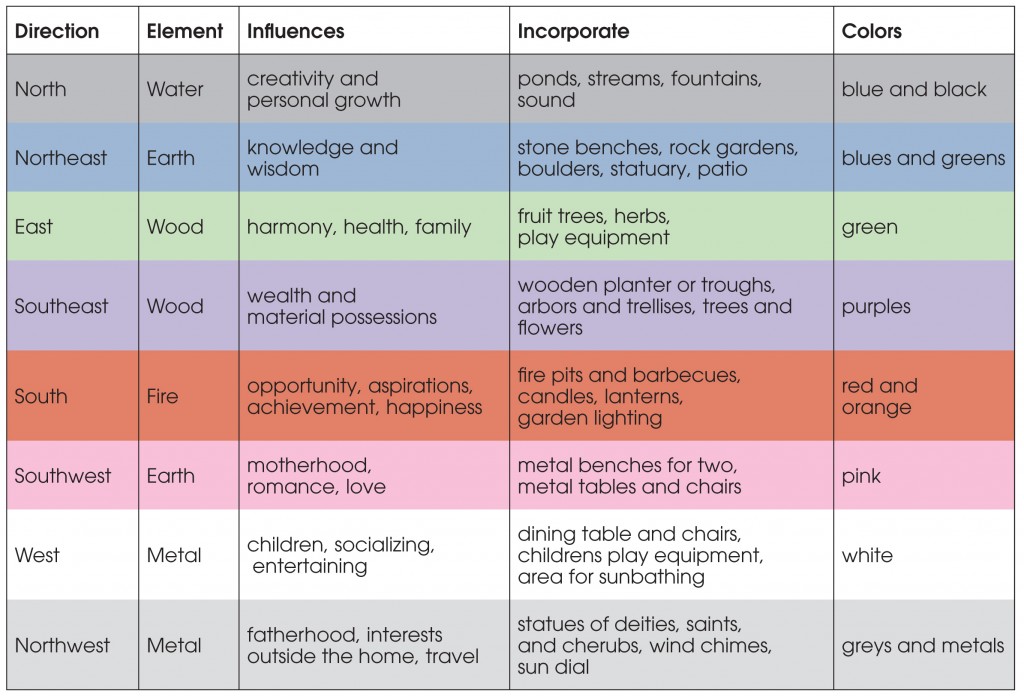
Bright colors, especially red, are used in Feng Shui to attract ch’i. Poor Feng Shui, it is believed, is remedied by placing the five elements recognized by the ancient Chinese – wood, fire, earth, water and metal – in their appropriate direction to beneficially affect the movement of ch’i.

Why not try some of the elemental remedies below in their appropriate directional orientations? They may assist with the flow of ch’i in your garden and perhaps you will reap the benefits of good fortune Feng Shui reportedly imparts.

Feng Shui Remedies


Importance of Circulation in an Outdoor Space

Your landscape is a great space to enjoy, but if you can’t get around that space, you won’t enjoy your outdoor living nearly as much as you could. From patios and decks to gardens, flowerbeds, sheds, play areas and more, circulation is critical to make the most of your landscape and enjoy every inch you have so thoughtfully cultivated.

Where Are You Going?

Before you start planning pathways and circulation space in your landscape, it is important to recognize where you are going and what pathways you will use the most. This is your landscape’s hierarchy of circulation, and depends on what features you have and how you use them. The locations of access points, such as doors or gates, and how they relate to the biggest features of your yard – a pool, deck, patio, hot tub, gazebo, garden, play set, etc. – will help determine how pathways should flow through your yard. The widest, most welcoming pathways should be between the most frequently used features and access points to make moving around your outdoor space safer and more convenient. Lesser used features, such as a private meditation niche or a shed that stores seasonal tools, may have smaller, narrower paths, or may not even need circulation pathways at all.

While you are considering the circulation between major spaces in your outdoor living area, don’t forget smaller circulation concerns as well. For example, a comfortable seating area with a fire pit or dining table won’t be so comfortable if guests aren’t able to move around furniture or other obstacles safely and easily. Also be sure that pathways aren’t crossing undesirable areas, such as passing closely by private windows or leading guests around less aesthetic features, such as utility boxes, air conditioners or trash cans.

How Will You Get There?

Once you have plotted where the pathways belong in your outdoor space, you need to decide what types of pathways will meet your needs. Factors to consider include…

  • Width – The path should be proportional to the yard and allow for easy access to the space
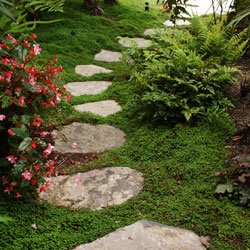
  • Material – Pavers, gravel, mulch, timbers and natural stone are all popular pathway options
  • Layout – Paths can have gentle curves to wind and flow or may be more straightforward
  • Architecture – Design pathways to coordinate with the house style and landscape design
  • Elevation – If steps are necessary, be sure they are safe and secure for all types of visitors
  • Views – Envision pathway routes to be sure they are as pleasing to the eye as the feet

There are many different ways to plan proper circulation in, around and through an outdoor space, and careful consideration of these different factors will ensure you enjoy every step along the paths you create.

Make Paths a Pleasure

Circulation is not just a necessity in your outdoor space, it can be a pleasurable part of your landscape, especially when you consider the journey as well as the destination. To make the most of your circulation paths and help each one enhance your landscape…

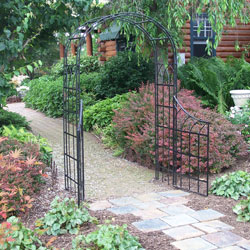
  • Enter Elegantly – Use a gate or archway to mark the entrance to your paths and welcome guests to step into your landscape. Natural arches or structures can both be fun options.
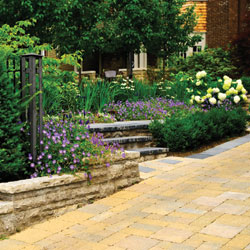
  • Add Borders – A bordered path has a finished, elegant appeal. Opt for contrasting textures, angled pavers or even fun plants to frame your pathways.
  • Provide Niches – An unexpected niche or node along the path can be a treasure to find. Benches, fountains, specimen plants or other accents are all beautiful options.
  • Light the Way – Lighting is essential for safe pathways, particularly where there may be stairs or uneven terrain, but fun lights such as lanterns or rope lights also add personal flair to the path.
  • Consider Customization – Add fun, customized surprises along pathways, such as quirky stepping stones, children’s handprint rocks or even initials and other personalization.

From the first step to the last, how you move around your landscape is essential to be sure you can access the spaces you want and enjoy getting from one to another. Our experts can help you plan the best circulation for all your outdoor living spaces – contact us today to take your first step to a landscape you’ll love to move around in!


Gussy Up the Veggie Garden

A vegetable garden is the ultimate in practical landscaping, and a thriving veggie patch can not only be a bountiful supplement to a grocery budget, but also an enjoyable hobby and great exercise as you sow seeds, nurture plants and take up your delicious harvest. One thing a vegetable garden does not need to be, however, is drab, and there are many fun ways to gussy up the veggie garden to show off your personal flair and gardening charisma.

Why Beautify a Vegetable Patch?

As more gardeners expand their cultivated plots into side yards and even front yards, keeping a vegetable garden attractive is essential. Not only can a lovely vegetable garden be attractive to the neighborhood, but it increases curb appeal for your home, raises awareness about the beauty of vegetables and allows you to take just as much pride in your garden’s appearance as you do in your harvest. Adding more personality to your vegetable garden is also a fun way to discover more gardening techniques and show off your more colorful side.

Fun Ways to Gussy Up the Veggie Garden

There are many different ways you can give your garden a more colorful personality. While you may not want to use every technique in your garden depending on the veggies you grow and the space you have available, trying just one or two fun tactics can give your garden a great makeover.

  • Liven Up the Lines
    Instead of planting vegetables in straight rows, embrace the twists, turns and curves of your landscape with a curvy garden. You can create a pattern of colors and shapes, or use different edging options to delineate the sections of your garden in more visible ways.
  • Pretty Up Your Paths
    You don’t have to use plain dirt paths in your garden when there are colorful mulches, unique stepping stones and other options to create more interesting pathways. Try river rocks, multi-colored gravel, crushed shells, bricks or other options to define paths more beautifully.
  • Build a Beautiful Border
    Define your garden’s edge with a beautiful border. Decorative fences can be quaint, or you can plant flowers all around the garden for extra color. Use deer- and rabbit-resistant flowers such as poppies, marigolds, zinnia and verbena to help protect your garden at the same time.
  • Create Bursts of Color
    Add more color to your garden with whimsical touches such as colorful tomato cages or painted support stakes. You can also add a brilliant gazing ball, a fun seasonal decorative flag or other colorful accents to add instant vibrancy to your veggie garden.
  • Add an Amazing Arbor
    An arbor or pergola can be an amazing architectural accent in your garden. This structure can be functional as well when it provides a bit of protection for shade-loving veggies or includes a bench with hidden storage for your favorite garden tools, hoses or other equipment.
  • Verticalize Your Veggies
    Go up, up, up with your veggie garden space when you embrace vertical gardening. You can hang baskets from an arbor, trellis or poles, or create a green wall or other vertical gardening space that climbing plants will love, and you’ll see your harvest multiply.
  • Secret Spaces to Make You Smile
    Your vegetable garden doesn’t need to be nothing but growing space, and you can add a whimsical garden gnome, fairy garden setup or other secret space to the garden. You might even include a small bench or meditation fountain for extra enjoyment.
  • Welcome Beneficial Wildlife
    Bring helpful visitors to your veggie garden when you add a bee house, butterfly feeder, hummingbird feeder or bird bath to the garden. These helpful pollinators will appreciate the assistance and will repay your generosity as they increase the yield of all your veggies.
  • Select Stunning Seedlings
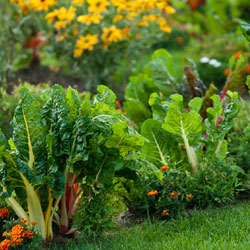
    The seedlings you add to your veggie patch can go a long way toward beautification when you choose plants with colorful foliage or unique produce. This also gives you a chance to experiment with new plants, and you might discover a new favorite vegetable along the way.
  • Fill In With Flowers
    Quickly add color and texture to your vegetable garden when you fill in short rows and corners with extra flowers. This is a great way to expand your garden and avoid thin or bare patches that detract from your garden’s beauty.
  • Make Magnificent Markers
    Marking plant rows and types keeps your garden organized, and you can do it with flair when you choose colorful or whimsical plant markers. Painted rocks, fun signs, cheerful flags and other options can denote your plants while adding beauty to your garden.
  • Class It Up With Containers
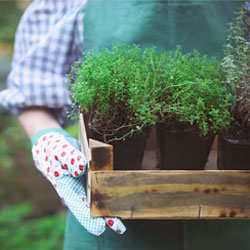
    A bright pot or planter box can be an attractive addition to your veggie patch, and will add extra color as well. This is a great way to add herbs, mints, berries or other fun plants to your garden. Elevate smaller pots with plant stands or pot feet to give more dimension to the garden.

With so many fun options to gussy up your veggie garden, your gardening patch can be just as beautiful as any carefully cultivated flowerbed or meticulously groomed lawn – and more delicious!

Gussy Up 1

Gussy Up 2

Gussy Up 3

Gussy Up 4

Gussy Up 5

Design a Raised Landscape That Works

Raised beds have been around for years, but have become increasingly popular recently because they make the landscape orderly, organized and easy to maintain. You can readily reach over and pull weeds as they appear, plant more comfortably and enjoy the new tiered depth and dimension of your lawn and garden. Raised beds are also particularly helpful if you are working with heavy soils that drain poorly, or if you have mobility limits that make getting down to ground level more difficult.

If you’re just getting started with raised beds, it’s easy to successfully bring your gardening to a higher level:

  1. Define the bed lines with a rope or hose. Consider the overall bed size, as well as the size and shape of your building material. You may want to position the bed along a fence or in a corner for more dimension and support.
  2. Dig a 4-6” deep edge along the perimeter. Don’t worry if this line isn’t as neat as you would like, because it will be more refined once you construct the bed frame.
  3. Remove existing sod/grass from the bed. You can compost the removed material, or use it to patch other spots in your lawn or turf as needed.
  4. Place concrete blocks, wall stone or other edging along this new bed line to build your bed frame. Wooden railroad ties or planks can also be used, but be aware that they may warp or decay in time. In general, stone or other sturdy materials are preferred.
  5. Build up your flower bed approximately 6-8” with top soil, mixing in peat moss for better drainage and compost, leaf mulch, cow manure or similar organic material to adequately nourish the soil.
  6. Compact your soil mixture as you build up each layer. This will help keep the bed from settling excessively as you plant and water.
  7. Increase the visual impact of your flower bed or gardening area by planting at different levels. Arrange shorter, lower growing plants in front, followed by medium and then tall plants in the back. You might consider some “spiller” plants along the sides and front if desired. Choose plants carefully to match the size of the bed, avoiding plants that will quickly outgrow the smaller, more confined space.
  8. Apply a 2-3” layer of mulch or stone and thoroughly soak your new landscape feature. Sprinkle Miracle Gro Weed Preventer or a similar product over the area to provide an invisible layer of protection against germinating weeds.

Before you know it, your new raised bed will be thriving and will quickly become the centerpiece of your landscaping. Then it’s time to construct another!

design-raised

Winter Houseplant Care

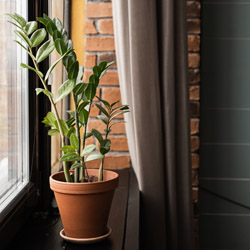
With programmable thermostats, double-paned windows, and other tricks, we are able to keep our homes at the same climatic comfort level year-round. Indoor houseplants, however, can be sensitive to subtle seasonal changes. Even in a balanced home environment, proper winter houseplant care is essential to help plants thrive through this challenging season.

Winter Changes in Home Climates

While the winter changes in our homes are more subtle than the harsh freezes and deep snowfall outdoors, our home environments actually change more than we may realize. Depending on the conditions we like to maintain and the climate outdoors, winter changes may include…

  • Fewer hours of daylight, and the daylight that does exist is less intense than during the summer.
  • Lower temperatures often accompanied by chilly drafts from windows and doors.
  • Lower humidity levels, particularly if central heat has been running, which can dry out air.

These conditions are less than ideal for many houseplants, particularly tropical species that are adapted to longer hours of sunlight, higher temperatures, and richer humidity. Fortunately, with some extra care, winter houseplants can adapt and thrive even during the harshest winter months.

Adjusting Winter Houseplant Care

There are several steps you can take to adjust your houseplant care during the winter. Easy and effective steps include…

  • Reducing Watering – Many houseplants go dormant in the winter, and while their growth is slowed, they require much less water. Overwatering in winter can lead to root rot and other plant damage, so avoid watering houseplants excessively in the winter months. When you do water your houseplants, use room-temperature water to avoid shocking the plants’ roots.
  • Reducing Feeding – Similar to reducing the water a plant receives while dormant, reducing fertilizer is a good step to care for winter houseplants. Plants do not need as much nutrition when their growth is slowed and reducing plant food until spring will keep the plants from developing leggy or spindly growth.
  • Improving Humidity – Using a humidifier is a great way to provide better humidity for winter houseplants. Other options include clustering plants together so they can share the humidity from their own respiration, as well as positioning plants in a bathroom where humidity is naturally higher. Misting frequently can also help improve humidity, as can using a pebble tray underneath the plants, so long as the pots are not resting in water.
  • Relocating Plants – Moving winter houseplants to south or west-facing windows where they will get more light can help them thrive in winter. Take care that the plants’ foliage does not brush window glass, however, or the plants may get chilled or frosted.
  • Supplementing Light – In darker rooms or when dreary winter days seem endless, adding supplemental lights near houseplants can help them flourish. Choose the appropriate bulb size and strength for your plants’ needs. Other steps to increase natural light include opening draperies and washing windows so more light reaches each plant.
  • Dusting Plants – Houseplants easily acquire a layer of dust and debris without outdoor breezes to keep them clean. Use a soft, damp cloth to carefully wipe each plant’s foliage to remove that dusty layer or give plants a gentle shower to water and clean them at the same time. Clean plants will be able to absorb light more effectively.
  • Rotating Plants – Plants will stretch and turn their foliage in an effort to reach more sunlight, particularly in winter. To minimize this stretching and help keep plants growing straight and upright, rotate them every few days. This is easy to do for larger plants on casters or mobile plant stands.
  • Watching for Pests – Even in winter, pests can infest houseplants. Be diligent about watching for spider mites, mealy bugs, fungus gnats, and other common houseplant pests, and use insecticidal soap or neem oil spray to control the pests as soon as they appear, keeping the infestation from spreading to other plants.

Houseplants have many benefits, particularly in winter when an urban jungle can help mitigate Seasonal Affective Disorder and alleviate the depression and anxiety that often accompanies dreary winter days. By following proper winter houseplant care, you can keep all your plants happy and thriving even during more challenging months, just when you need their inspiration and a connection to nature the most.

Creating a Low-Maintenance Landscape

Looking for a landscape design that delivers curb appeal without demanding your weekends? It might be time to discover the benefits of decorative stone! Stone, rock, and gravel offer practical, polished solutions that minimize upkeep, maximize style, and provide significant long-term savings. If you’re eager to take yard maintenance off your to-do list without sacrificing an attractive outdoor space, you’re in the right place! Poor Boy’s Garden Center is here to guide you through everything you need to know about creating a stunning, low-maintenance landscape with rock.

Why Choose Rock?

Decorative rock landscapes go far beyond simple aesthetics. When you invest in a rock-based design, you’re choosing function, longevity, and a welcome break from repetitive yard work. Here are some core reasons why more property owners are switching to rock:

Long-Lasting Impact

Unlike wood mulch, which decomposes and demands frequent replenishing, decorative stone persists for five years, a decade, or even longer. Rock holds its color, resists breakdown, and keeps your yard looking consistent year after year. This translates into more time and money saved on outdoor upkeep.

Excellent Weed Suppression

When properly installed over quality landscape fabric, decorative rock forms a powerful physical barrier that blocks most weeds from emerging. This simple step reduces your need for herbicides and slashes your time spent on hands-and-knees weeding.

Minimal Watering

While organic mulch can help retain moisture, it often requires maintenance and doesn’t reduce the need for watering as much as you might think. Rock needs no watering at all. When paired with drought-tolerant plants, such as succulents, or xeriscaping, a rock landscape becomes a water-efficient solution offering both immediate and long-term environmental benefits.

No Decomposition or Pest Risk

Mulch is organic, which means it breaks down over time and can invite termites, ants, and pests. Rock, on the other hand, never decomposes, attracts fewer pests, and stays put even during heavy storms or wind. This results in a cleaner, more predictable landscape.

Fire Resistant & Durable

Decorative stone adds a layer of fire resistance to your property, which is especially critical in wildfire-prone regions. Rocks don’t burn, and they serve as a natural buffer near outbuildings, fences, or homes.

Where to Use Rock?

At Poor Boy’s Garden Center, we often hear customers ask, “Where exactly should I use decorative rock?” The answer is almost anywhere! Rock is one of the most versatile materials in landscaping, offering beauty and durability in every corner of your outdoor space.

Long-Term Garden Beds

Start by replacing mulch in your permanent garden beds. Decorative stone stays in place longer, resists fading, and won’t break down like wood chips, making it a significant upgrade around shrubs, trees, and perennials.

Patios, Paths, & Seating Areas

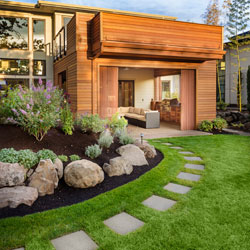
Rock is also ideal around patios, along walkways, and under outdoor seating or play areas where grass struggles to grow. It provides a smart, low-maintenance solution that maintains high curb appeal. It also performs beautifully in high-traffic zones, such as front entrances, signage beds, or along driveways, especially where you want a tidy, professional look without constant upkeep.

Types of Landscape Rock

With such variety in shape, color, and texture, landscape rock is more than just functional—it’s a stunning design element. Some popular options include:

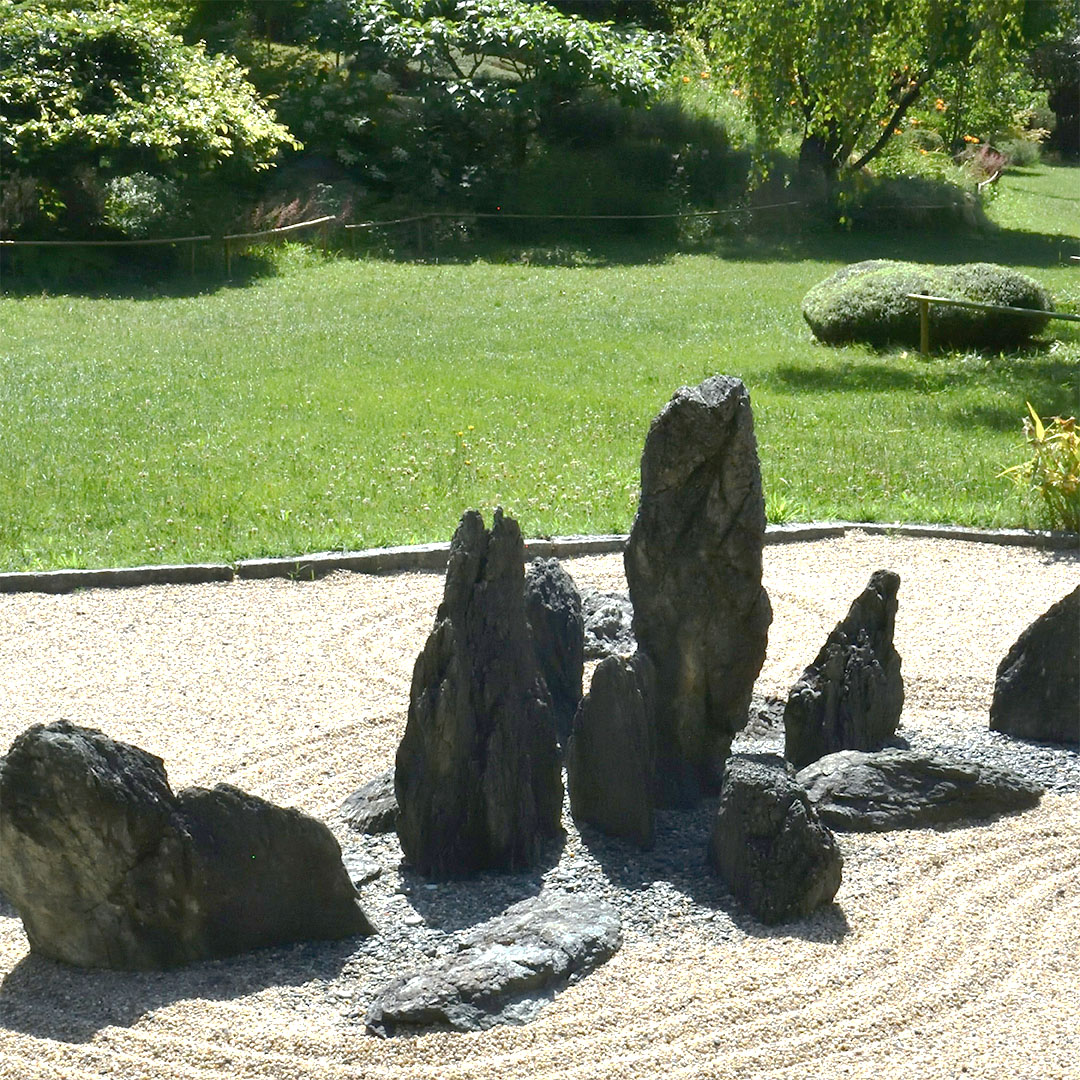
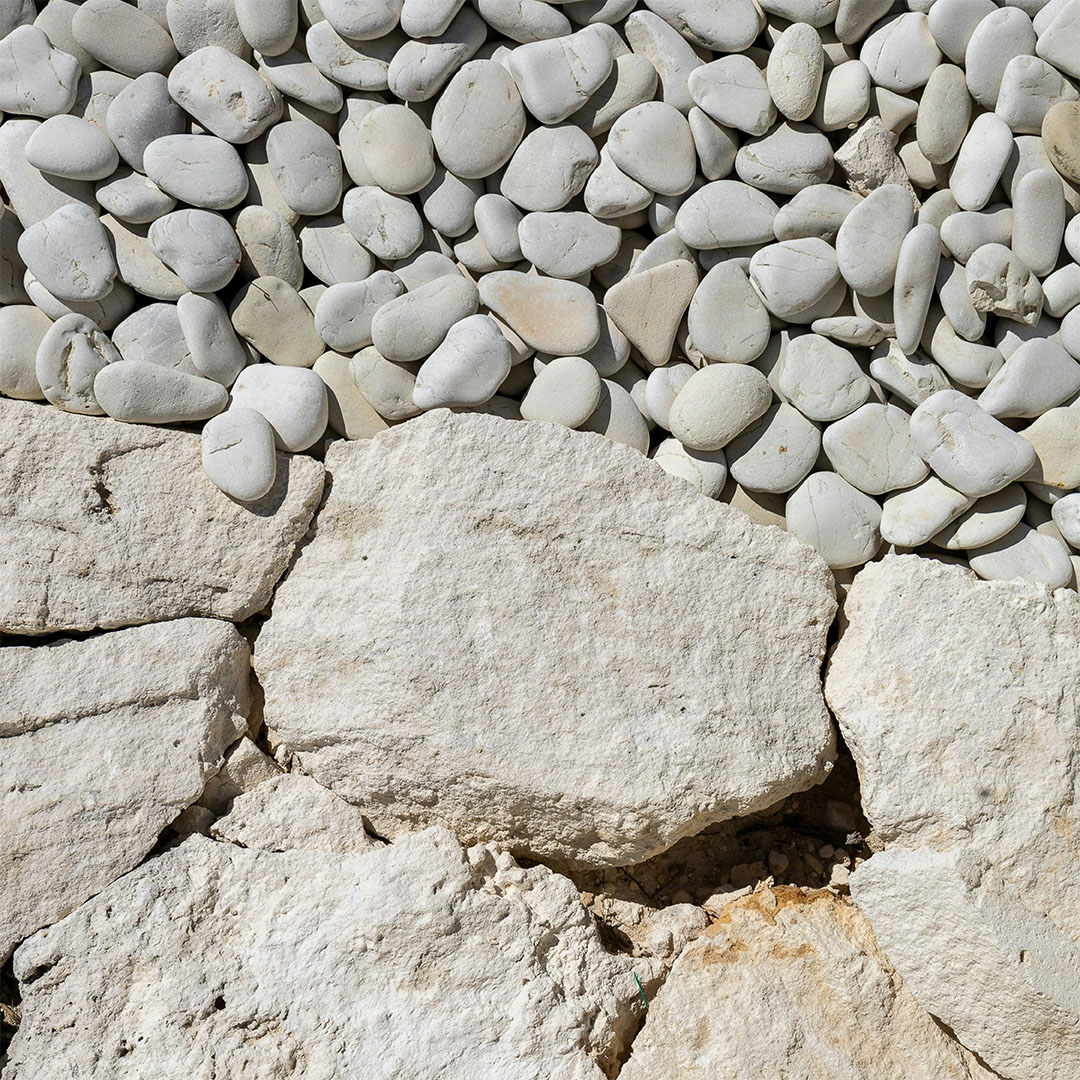
  • River Rock: Smooth, rounded stones available in multiple colors and sizes. Perfect for naturalistic designs, dry creek beds, and defining garden borders.
  • Autumn Red Stone: A durable, weather-resistant and versatile stone. Can be used as a mulch alternative to retain moisture and prevent weeds. Its a rich blend of red and earth tones.
  • Pea Gravel: Small pebbles that provide comfort underfoot. Excellent for patios, playgrounds, or paths.
  • Marble Chips: Commonly used in garden beds, walkways and patios. Prized for their ability to create clean, modern lines and striking contrasts when paired accordingly.
  • Wallstone: A durable, long lasting, and aesthetically pleasing natural material that is characterized by its high resistance to elements and fire, and its ability to reduce erosion.

Selecting the right rock can enhance both function and visual appeal, so consider the colors and textures that harmonize with your home’s exterior or business brand.

Maintenance Tips

A landscape built with stone offers impressive reductions in maintenance, but a little effort goes a long way toward keeping it pristine. Consider these proven tips:

  • Install High Quality Landscape Fabric: Always start with a professional-grade fabric beneath the stone. This keeps weeds at bay, allows rainwater through, and prevents rocks from mixing with the soil below.
  • Refresh the Surface Layer Occasionally: Over time, tracks and settling may cause heavily trafficked areas to thin out. Adding a fresh top layer every few years will restore uniformity and color vibrancy.
  • Use Proper Edging for Containment: Edge beds with steel, concrete, or stone borders to prevent rock migration into lawns or other planting areas.
  • Keep Debris Under Control: Use a blower or light rake to clear leaves and organic matter in fall and spring.
  • Apply Pre-Emergent Herbicide: For added security against weeds, treat beds with pre-emergent product once or twice a year, or as needed.
  • Rinse Rocks: If dust or mud builds up, rinse with a garden hose or use a pressure washer on the lowest setting to restore their natural look as needed.

How to Select the Right Materials

How does decorative stone compare with organic mulch or a turf-heavy yard? Here’s a breakdown:

Material Maintenance Level Best Applications Longevity
Rock Very Low Permanent Beds 5 – 10+ years
Mulch Moderate Flower Beds
Annual Gardens
1 – 2 years
Turf High Play Areas
Lawns
Dog Runs
Ongoing

If your goals include lasting impact, hassle-free ownership, or improved property value, rock is typically the standout choice.

Stunning Results with Minimal Effort

A well-designed rock landscape offers lasting beauty with minimal work. The right mix of stones can add dynamic texture, highlight architectural features, and give your property a cohesive, professional appearance. By making smart choices up front, you can achieve eye-catching curb appeal and enjoy true low-maintenance living for years to come.

Poor Boy’s Garden Center has an assortment of landscape stone, from classic river rock to dramatic granite chips. Our staff is ready to help you calculate quantities, select complementary rock types. Whether you’re revamping a single bed or tackling a multi-acre project, we’re here to help.


Selecting the Right Plant for the Right Place

More often than not, our landscape renovation wish lists include the desire for a picturesque, thriving, low-maintenance outdoor space to enjoy year-round for many years to come. Creating a flourishing landscape, however, isn’t simply about picking pretty plants. It’s about understanding your garden’s own unique environmental conditions and matching plant selection to them. This concept, known as “right plant, right place,” is a foundational principle in horticulture that ensures healthier plants, reduced maintenance, more sustainable gardening practices, and, therefore, greater garden longevity and homeowner happiness!

Why Choosing the Right Plant Matters

  • Healthier Plants:When plants are placed in environments suited to their needs, they grow healthier and stronger and are better able to resist pests and diseases.
  • Reduced Maintenance:Plants that thrive in their location require less intervention from the gardener. This translates to less work and more time to enjoy your garden.
  • Resource Efficiency:Using plants adapted to your local conditions means less water and fewer resources are needed, promoting sustainable gardening.
  • Enhanced Aesthetics:A well-planned and planted landscape will not only perform well but also look lush and beautiful. Planting in the correct environment enables landscape plants to grow to their full potential in size and bloom capacity.
  • Environmental Benefits:Native plants and those well-suited to the conditions in which they are planted support biodiversity, attract pollinators, and contribute to a balanced ecosystem.

How to Select the Right Plant for the Right Place

Assess Sunlight Exposure

Determine how much sunlight each part of your garden receives throughout the day and match plant selections to these conditions.

  • Full Sun– Direct sunlight for at least 6 to 8 hours daily. It is ideal for sun-loving plants like vegetables, roses, and most flowering perennials.
  • Partial Sun4 to 6 hours of direct sunlight daily, usually in the morning or afternoon. Plants labeled as “partial sun” prefer more light rather than less.
  • Partial Shade4 to 6 hours of sunlight, but these plants benefit from protection from the intense afternoon sun. It is best for plants that thrive in morning light and dappled conditions.
  • Dappled (Mottled) Shade– Sunlight filters through tree branches or structures, creating a shifting pattern of light and shade throughout the day. Common in woodland gardens.
  • Light Shade– Indirect sunlight for most of the day, with occasional brief periods of direct sun. It is found in areas near open structures or under high tree canopies.
  • Full ShadeLess than 4 hours of direct sun, typically in the early morning or late afternoon, with the rest of the day in indirect or reflected light.
  • Deep Shade (Dense Shade)Little to no direct sunlight, often due to dense tree cover, walls, or structures blocking light.

Understand Soil Conditions

The Mid-Atlantic region has a diverse range of soil. Here are the primary soil types found in this:

  • Clay Soil– Heavy and dense clay soil holds water well but can become compacted, making drainage a challenge. It tends to be nutrient-rich but often needs amendments like compost or sand to improve structure and aeration.
  • Sandy Soil– Light and well-draining, sandy soil warms up quickly in spring but dries out just as fast. It’s great for plants that need good drainage but often requires organic matter like compost or peat moss to help retain moisture and nutrients.
  • Silty Soil – Smooth and slippery when wet, silty soil holds moisture better than sandy soil and contains more nutrients. It’s great for gardening but can become compacted over time, so adding organic matter helps maintain its structure.
  • Loamy Soil– The ideal garden soil! Loam is a balanced mix of clay, sand, and silt, providing good drainage, moisture retention, and nutrients. This type of soil supports a wide variety of plants and is found in many well-maintained gardens.
  • Rocky or Stony Soil– This type of soil can make digging a challenge. It drains well but often lacks organic matter, so adding compost and topsoil helps improve its texture and fertility.
  • Peaty Soil– Dark, rich, and high in organic matter, peaty soil is found in wetland areas. It holds a lot of moisture, which can be beneficial, but may need drainage improvements for most garden plants.
  • Chalky Soil– Found in some limestone-heavy areas, chalky soil tends to be alkaline and drains well. It can limit the growth of acid-loving plants.

Soil pH Level

Soil pH is crucial when selecting garden plants because it affects nutrient availability and plant health. Some plants thrive in acidic soil, while others prefer neutral or alkaline conditions. If the pH is too high or too low, essential nutrients may become unavailable, leading to poor plant growth. Testing your soil pH is vital to growing healthy plants.

Here’s a breakdown of soil pH levels:

  • Acidic Soil
    Range: 4.5-6.5
    Acidic soils are often found in regions with high rainfall, as rain can leach out calcium and other alkaline minerals. These soils can be rich in organic matter but may lack nutrients like calcium and magnesium.
  • Neutral Soil
    Range: 6.5-7.5
    Neutral soil is ideal for most garden plants, as nutrients remain readily available. Many vegetable gardens and ornamental plants thrive in neutral soil.
  • Alkaline Soil
    Range: 7.5-8.5
    Alkaline soils, found in areas with low rainfall or limestone-rich soil, can lead to nutrient deficiencies, especially iron, which causes leaves to turn yellow (chlorosis).

Consider Climate and Hardiness Zones

Use the USDA Hardiness Zone map to determine which plants are suitable for your region’s temperature range. Choose plants that can withstand your area’s seasonal extremes, whether it’s harsh winters or scorching summers.

Evaluate Moisture Levels

Some plants thrive in consistently moist environments, while others prefer dry, drought-like conditions. Specifically consider:

  • Boggy or Wet Areas
  • Drought-Prone Areas

Size and Growth Habits

Understand the mature size and growth habits of plants to avoid overcrowding and maintenance issues. Plant trees and shrubs where they have room to grow without interfering with structures or other plants.

Examples of Right Plant, Right Place

Eastern US HARDINESS ZONES 5 – 9

  • Sunny, Dry Spots:
    • Plants:Lavender, Sedum, Yarrow, Russian Sage
    • Why:These plants thrive in full sun and well-drained soils.
  • Shady, Moist Areas:
    • Plants:Hostas, Astilbe, Ferns, Japanese Forest Grass
    • Why:These plants love the cool, damp environment provided by shade.
  • Acidic Soils:
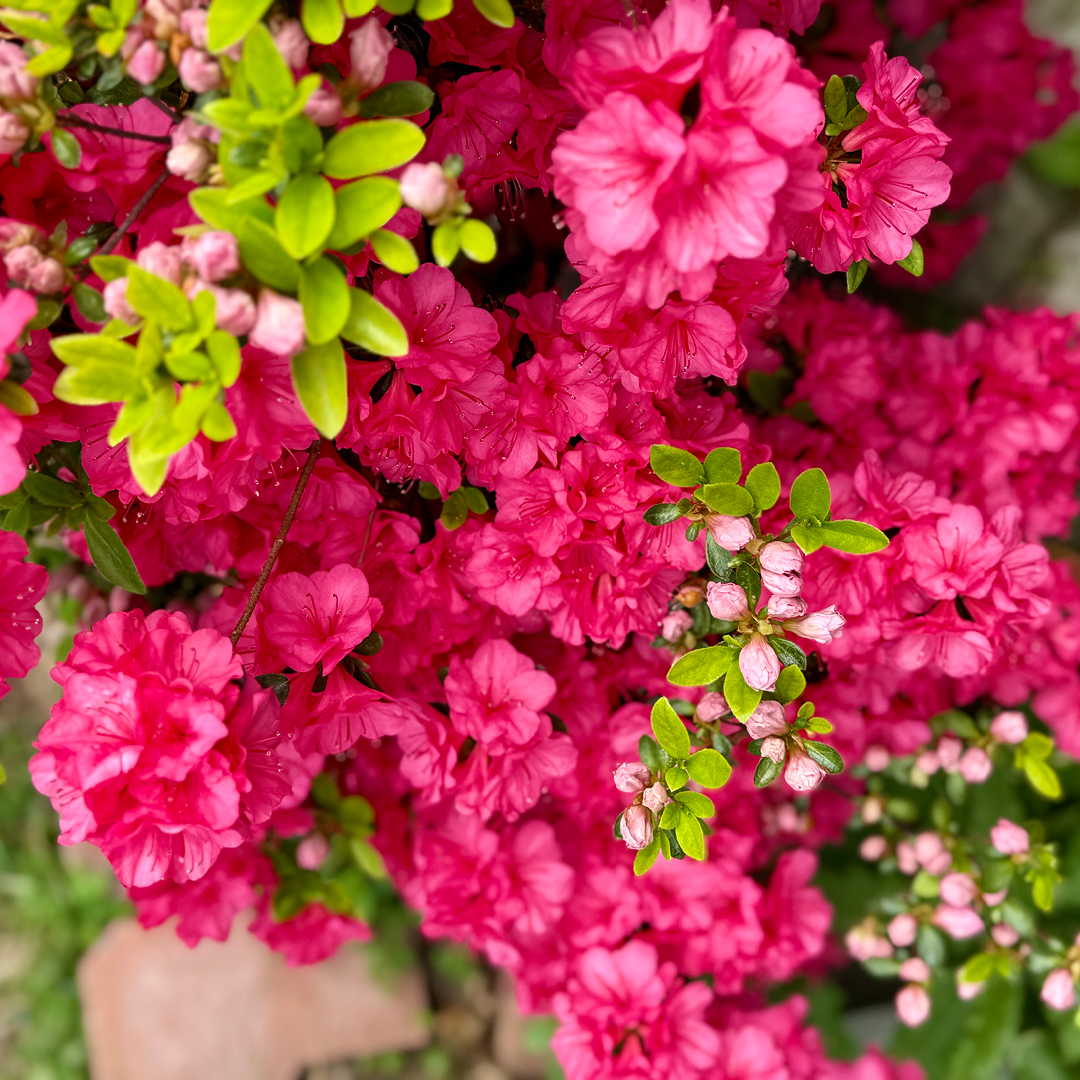
    • Plants:Azaleas, Rhododendrons, Blueberries, Camellias
    • Why:These species prefer lower pH levels and will flourish in acidic conditions.
  • Clay Soils:
    • Plants:Daylilies, Black-Eyed Susans, Switchgrass
    • Why:These plants tolerate heavy, compacted soils and can handle less-than-ideal drainage.
  • Wetlands or Water Features:
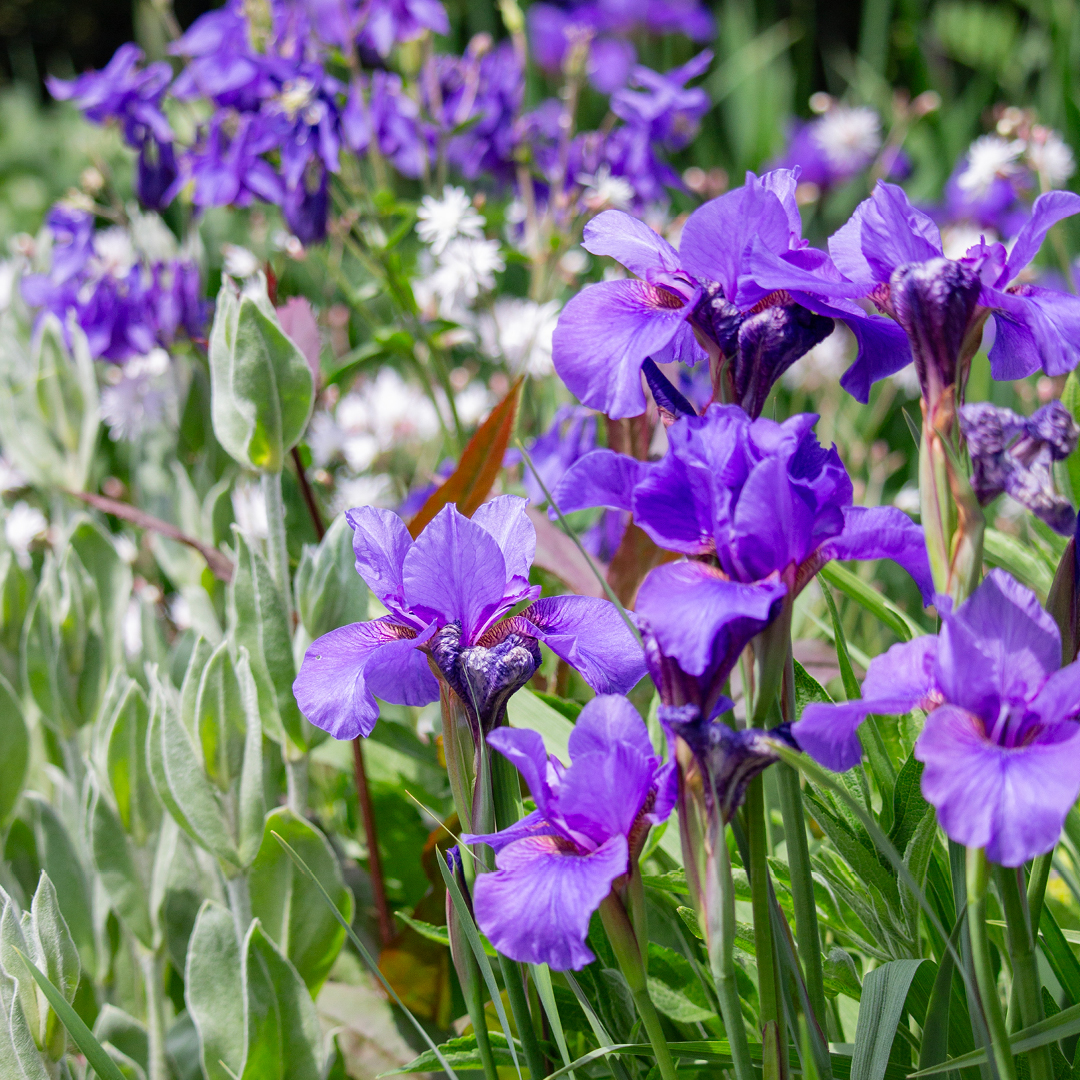
    • Plants:Cattails, Iris, Cardinal Flower, Marsh Marigold
    • Why:These moisture-loving plants thrive in saturated conditions.

Landscape design and renovation are both an art and a science. Understanding your garden’s specific conditions will help in choosing plants well-suited to the existing environment. If you need assistance selecting plants for your situation, Poor Boy’s Garden Center is at your service. Our plant knowledge and selection are outstanding. We can help you match the right plant to the right place, enabling you to significantly reduce maintenance, conserve resources, and promote a healthier, more vibrant landscape that can be enjoyed year-round.

Right Plant, Right Place

Right Plant, Right Place

Right Plant, Right Place