





Winter
Attracting Birds to Your Garden
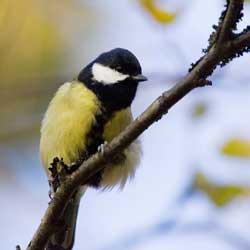 One of the benefits of a garden is the wildlife it attracts, and birds are some of the most popular garden wildlife. Most birds are voracious eaters that are glad to keep the insect population down, and may eat 500-1,000 insects in one afternoon. This makes them ideal for natural (and free!) pest control. Anything […]Read More...
Tooling Around in the Garden: Selecting and Caring for Garden Tools
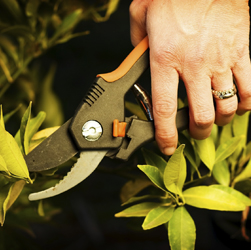 Let’s face it – purchasing a new garden tool is usually not the first thing on your mind when you visit your friendly neighborhood garden center. Most of us tend to gravitate toward the latest and greatest herbaceous eye-candy without considering whether we have all the equipment necessary to prepare and care for it. The […]Read More...
Feng Shui in the Garden
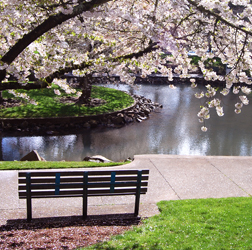 Feng Shui is the ancient Chinese philosophy that believes in attracting and guiding the flow of cosmic energy to influence your health, wealth and happiness. If you are already familiar with Feng Shui, you should know that it is assumed by many that the same fundamental principles that apply to your home also apply to […]Read More...
Design a Raised Landscape That Works
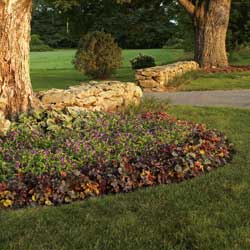 Raised beds have been around for years, but have become increasingly popular recently because they make the landscape orderly, organized and easy to maintain. You can readily reach over and pull weeds as they appear, plant more comfortably and enjoy the new tiered depth and dimension of your lawn and garden. Raised beds are also […]Read More...
Winter Houseplant Care
 With programmable thermostats, double-paned windows, and other tricks, we are able to keep our homes at the same climatic comfort level year-round. Indoor houseplants, however, can be sensitive to subtle seasonal changes. Even in a balanced home environment, proper winter houseplant care is essential to help plants thrive through this challenging season. Winter Changes in […]Read More...
Creating a Low-Maintenance Landscape
 Looking for a landscape design that delivers curb appeal without demanding your weekends? It might be time to discover the benefits of decorative stone! Stone, rock, and gravel offer practical, polished solutions that minimize upkeep, maximize style, and provide significant long-term savings. If you’re eager to take yard maintenance off your to-do list without sacrificing […]Read More...